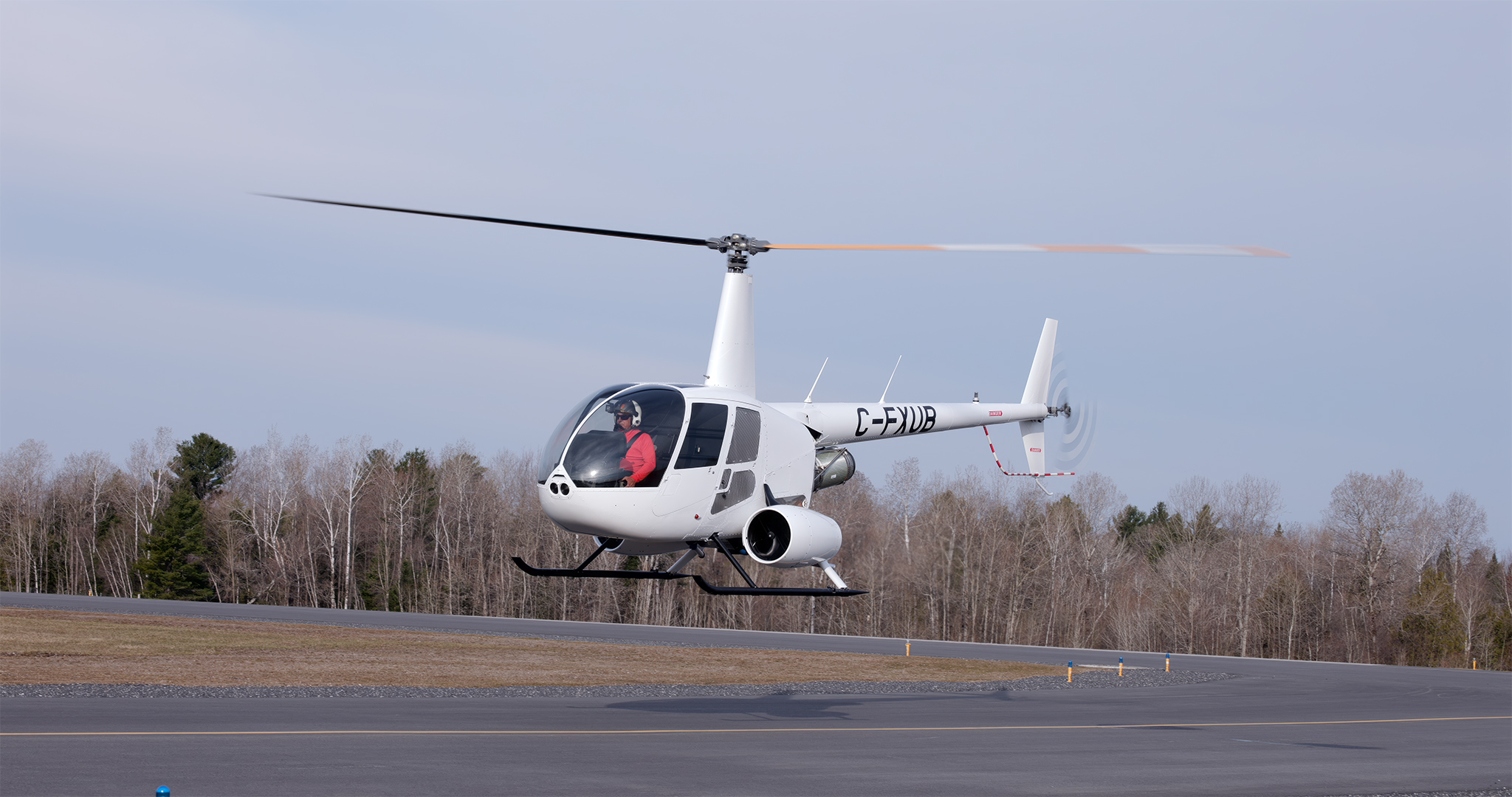
 VANCOUVER, British Columbia, Canada (May 7, 2026) – Canadian Advanced Air Mobility (CAAM) today recognized Unither Bioélectronique (UB), a CAAM National Board member, after UB completed the world’s first piloted hydrogen-electric helicopter circuit flight. Conducted April 10, 2026, at Roland-Désourdy Airport in Bromont, Québec, with UB test pilot Ric Webb at the controls, the flight marks the next step in Project Proticity™, a hydrogen-electric helicopter development program led by Unither Bioélectronique, in collaboration with Robinson Helicopter Company.
The flight advanced UB’s hydrogen-electric helicopter testing from hover demonstration to a full airport traffic circuit, including controlled takeoff, climb, pattern flight, approach, and landing.
The flight was conducted under an experimental flight permit, using a Robinson R44 test aircraft equipped with a hydrogen-electric PEM fuel-cell-battery architecture and powered by locally produced green hydrogen.
Flight at a Glance
- Date: April 10, 2026
- Location: Roland-Désourdy Airport, Bromont, Québec
- Pilot: Ric Webb, UB test pilot
- Aircraft: Robinson R44
- Program: Project Proticity™
- Test objective: Demonstrate and assess hydrogen-electric propulsion through a piloted helicopter traffic-circuit profile.
- Propulsion: Hydrogen-electric / PEM fuel-cell-battery architecture
- Next step: Scaling the architecture toward the larger Robinson R66 platform
The flight builds on UB’s earlier world firsts completed in March 2025: the world’s first flight demonstration of a piloted hydrogen-powered helicopter, Canada’s first piloted hydrogen-powered flight, and the successful validation of Proton Exchange Membrane (PEM) hydrogen fuel cell technology to support the demanding power requirements of a vertical take-off and landing (VTOL) powered-lift profile.
The test flight was conducted as part of Project Proticity™, a collaboration between UB and Torrance, California-based Robinson Helicopter Company, announced in August 2024. Project Proticity aims to accelerate the development of zero-emission helicopters based on Robinson’s proven R44 and R66 helicopter models. Robinson is contributing engineering, technical, and regulatory expertise as UB advances testing toward future certification pathways with Transport Canada Civil Aviation and the U.S. Federal Aviation Administration.
“This milestone shows that piloted hydrogen-electric vertical flight can move from theory to repeatable, safe, real-world testing,” said Mikaël Cardinal, Vice President, Program Management & Business Development, Organ Delivery Systems for Unither Bioélectronique. “For Unither, the goal is clear: build the aircraft and aerial logistics systems needed to help deliver manufactured organ alternatives to patients in need, while creating a scalable zero-emission transportation network.”
The flight test was also a milestone for parent company United Therapeutics’ commitment to sustainability in its operations. United Therapeutics is working to deliver an unlimited supply of manufactured organ alternatives to patients using a vertically integrated logistics chain with a lower environmental impact than conventional transportation options.
Unither’s platform is also aligned with next-generation liquid hydrogen systems, a critical step toward unlocking the extended range and payload capabilities required for future healthcare, emergency response, and regional logistics missions. The next milestone for the program is scaling this hydrogen-electric architecture to the more capable Robinson R66 platform.
As the national industry association for Advanced Air Mobility in Canada, CAAM recognizes this as the next transformative moment for the aerospace sector.
“Unither’s progress is the kind of accountable, operational work Canada needs to lead the next era of aviation,” said JR Hammond, Executive Director of CAAM. “Hydrogen flight is no longer a distant concept sitting on a roadmap. It is flying, completing circuits, being tested, being learned from, and being built into a pathway for healthcare, emergency response, and regional logistics. CAAM’s role is to help ensure that the ecosystem around this technology — regulation, infrastructure, investment, and public trust — moves with the same urgency.”
Unither’s success reaffirms Canada’s growing leadership in clean aviation, underlining the nation’s potential to be a global testbed for next-generation aerospace technologies.
By advancing from first flight to circuit testing, Unither is moving hydrogen-electric rotorcraft from demonstration toward a more repeatable flight-test program. For CAAM, the achievement reinforces Canada’s opportunity to serve as a proving ground for clean aviation technologies that could support future healthcare, emergency response, and regional logistics missions.
Media assets, including photos and video, are available here.
About Canadian Advanced Air Mobility (CAAM)
Canadian Advanced Air Mobility (CAAM) is the national industry association for Advanced Air Mobility (AAM) in Canada. As a federal not-for-profit, CAAM leads the responsible, sustainable, and innovative integration of AAM across the country. CAAM has partnered with 250+ organizations including industry, academia, capital and all three levels of government to launch projects aimed at operationalizing the AAM industry. CAAM serves as the unified voice and driving force behind Canada’s growing AAM ecosystem. Visit canadianaam.com to learn more.
About Unither Bioélectronique
Unither Bioélectronique, Inc. (UB), a wholly owned subsidiary of United Therapeutics Corporation, is driving the innovation and development of autonomous, environmentally friendly, airborne organ delivery systems. UB intends to develop and operate a fleet of next-generation, electric- and hydrogen-powered, optionally piloted, and powered-lift aircraft with the capacity to take off and land vertically at hospitals – capable of quickly delivering manufactured organs for human transplant. UB plays a critical role in support of United Therapeutics’ mission to address the unmet medical needs of patients with end-stage organ diseases. More information is available at unither.aero. Information specific to Project Proticity is available at proticity.aero.
MEDIA CONTACTS
Canadian Advanced Air Mobility (CAAM)
David Dong
Marketing Manager
+1 506-961-7728
Unither Bioélectronique
+1 450-877-1197
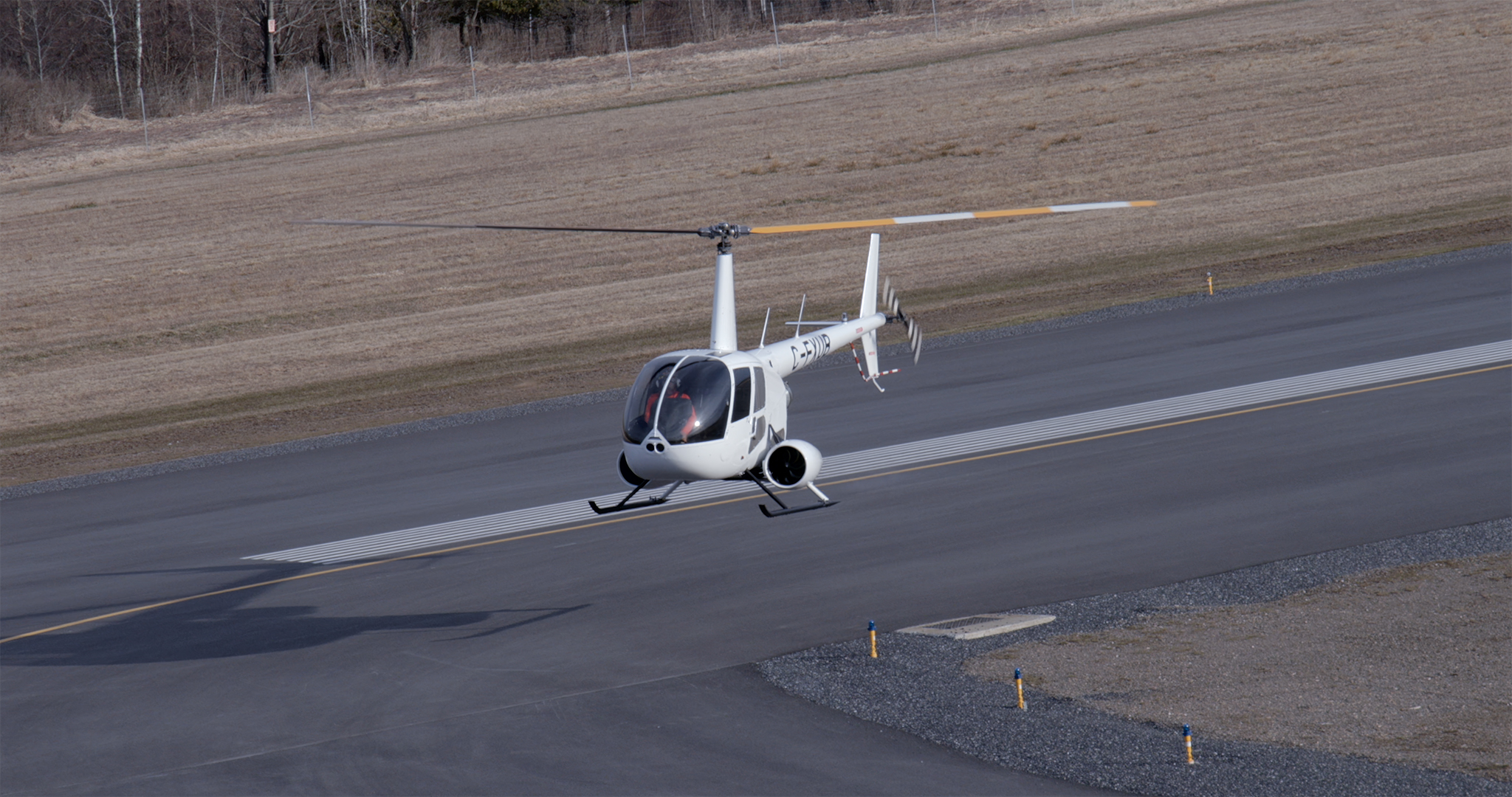
Test pilot Ric Webb of Unither Bioélectronique performs a piloted circuit in the company’s hydrogen-powered Robinson R-44 Raven II helicopter at Roland-Désourdy Airport in Bromont, Québec, Canada.
Photo credit: Unither Bioélectronique
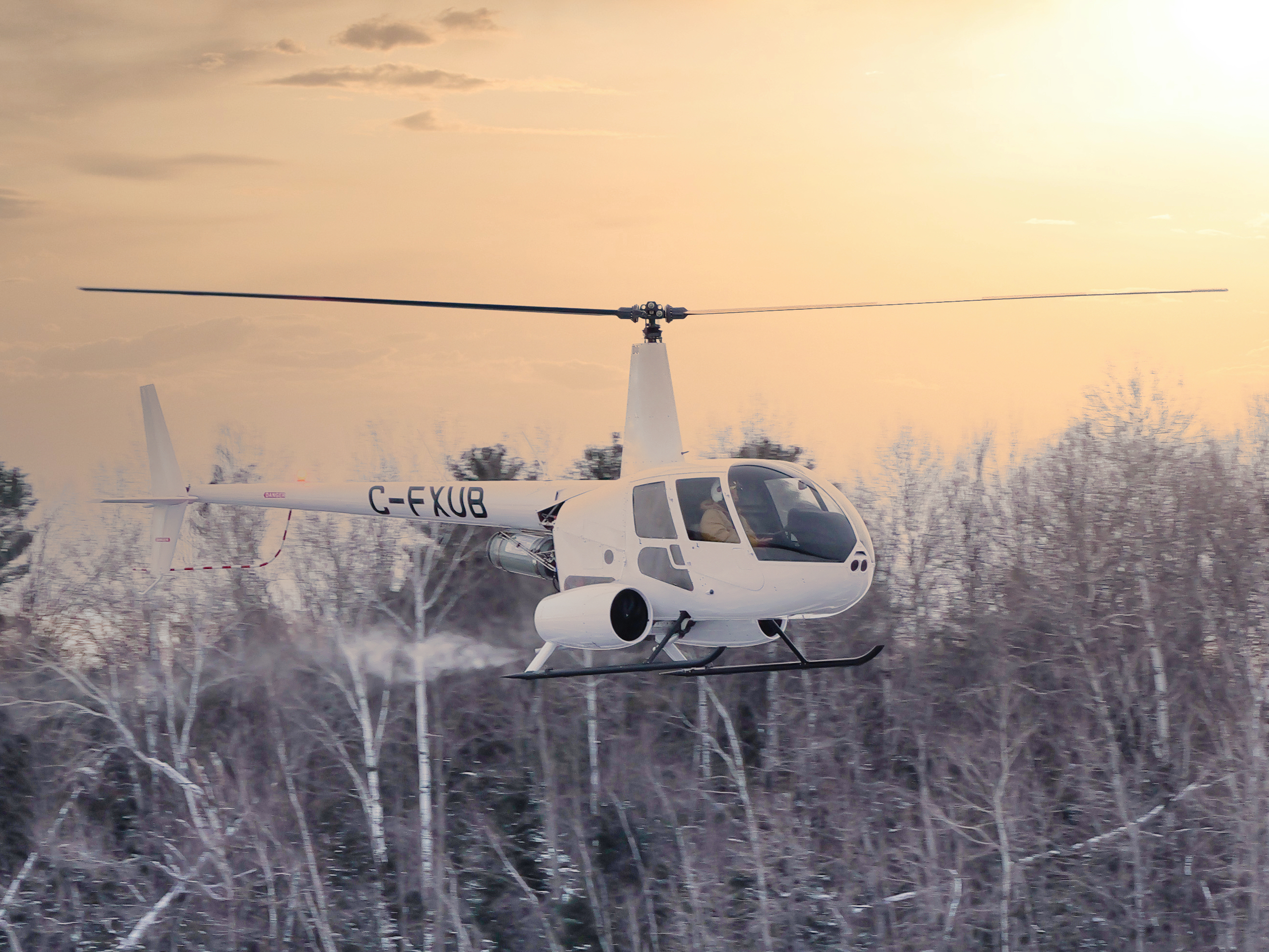
Unither Bioélectronique performs flight in the company’s hydrogen-
powered Robinson R-44 Raven II helicopter at Roland-Désourdy Airport in Bromont, Québec, Canada
Photo credit: Unither Bioélectronique
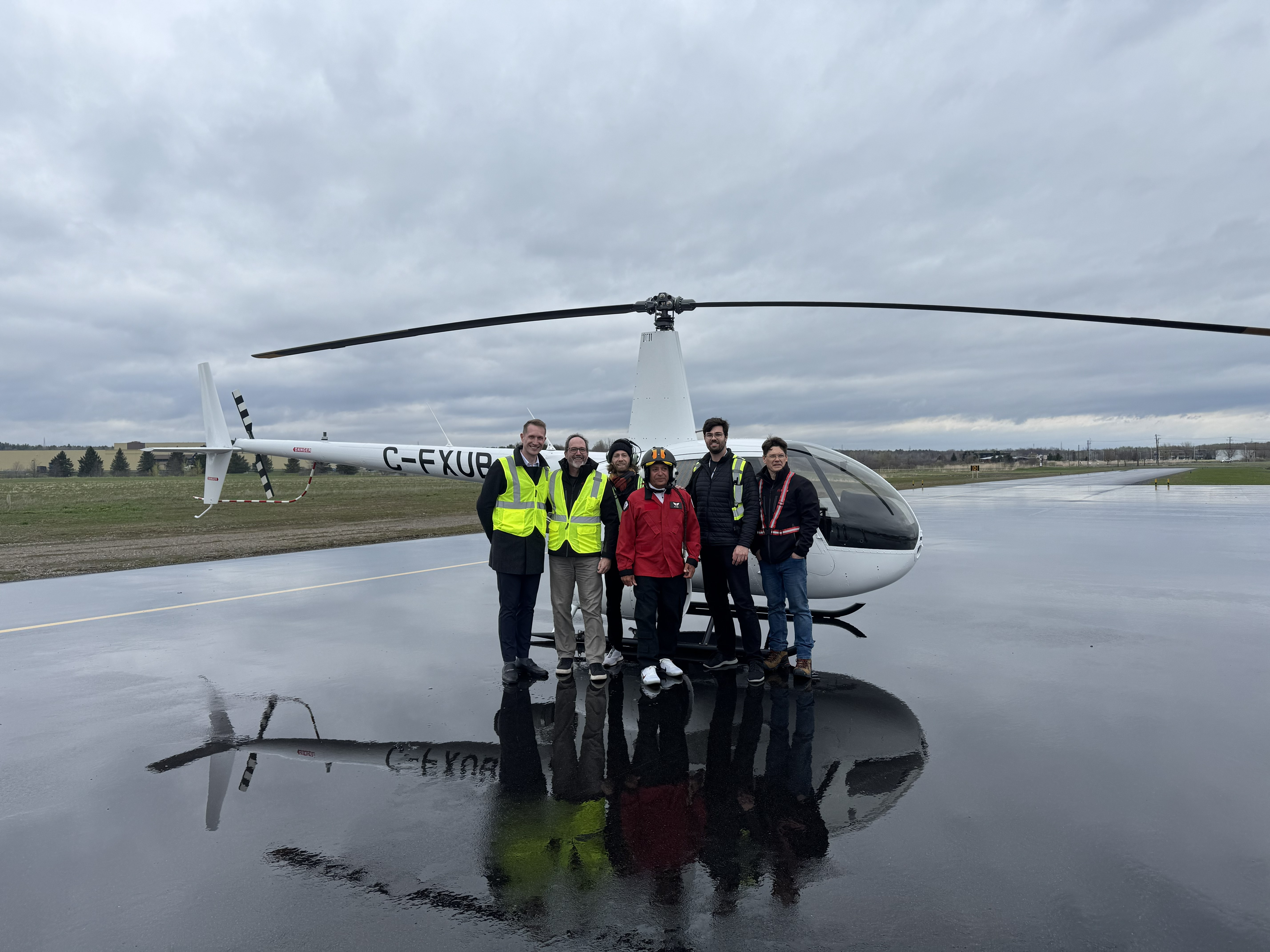
The Unither Bioélectronique team, led by Mikaël Cardinal, and CAAM’s Executive Director, JR Hammond, celebrate after the company completed its circuit flight milestone with an experimental hydrogen-powered Robinson R-44 Raven II helicopter at Roland-Désourdy Airport in Bromont, Québec, Canada.
Photo credit: Unither Bioélectronique